
Claude Skills Conceptual Deep Dive
Before diving into code, it helps to understand why skills work the way they do. This guide explores the mental models, design philosophy, and ecosystem that make Claude Code skills so powerful.

In This Guide
- ✓ The skill mental model: how to think about AI capabilities
- ✓ Design philosophy: principles for effective skills
- ✓ The skill ecosystem: how skills interact and compose
- ✓ When to create a skill vs. other approaches
The Skill Mental Model
Think of skills as expertise packages. Just as a human consultant brings specialized knowledge to a project, a skill brings domain expertise to Claude. The skill doesn't replace Claude's general intelligence—it augments it with focused knowledge.
Three Layers of a Skill
- Knowledge Layer — Domain-specific information: terminology, patterns, best practices. This is the "what to know" part.
- Process Layer — Workflows and procedures: how to approach tasks, decision trees, validation steps. This is the "how to do" part.
- Tool Layer — Capabilities and integrations: what actions the skill can perform, which external systems it can access. This is the "what can be done" part.
Effective skills balance all three layers. Too much knowledge without process guidance leads to unfocused output. Too much process without knowledge lacks depth. Too many tools without constraints creates security risks.
Design Philosophy
Principle 1: Focused Purpose
Each skill should do one thing exceptionally well. Resist the temptation to create "Swiss Army knife" skills that try to handle every possible scenario. Instead:
- Define a clear, narrow scope
- Compose multiple focused skills for complex workflows
- Let the AI's general intelligence handle edge cases
❌ Too Broad
"development-helper" — vague, unfocused
✓ Focused
"api-doc-generator" — clear purpose
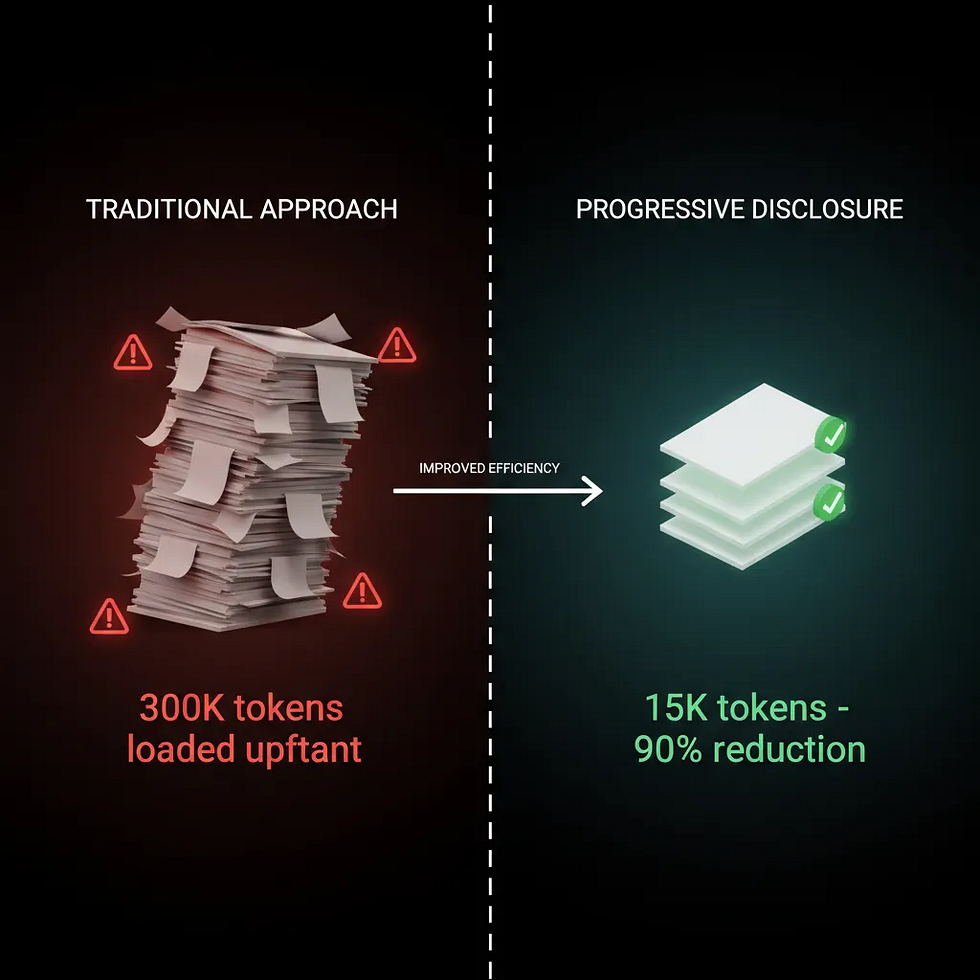
Principle 2: Progressive Disclosure
Don't front-load all information. Instead, structure your skill so that:
- Basic instructions are immediately available
- Detailed documentation is referenced, not embedded
- Advanced features are discovered as needed
This keeps initial context lean while ensuring depth is accessible when required. See Part 1's PDA section for implementation details.
Principle 3: Minimal Permissions
Request only the tool permissions your skill actually needs. Every additional permission:
- Increases security surface area
- Slows down tool resolution
- Creates potential for unintended actions
Principle 4: Trust the AI
Claude already knows a lot. Don't duplicate general programming knowledge or common patterns in your skill. Instead, focus on:
- Project-specific conventions that deviate from norms
- Domain terminology the AI might not know
- Explicit preferences that override defaults
The Skill Ecosystem
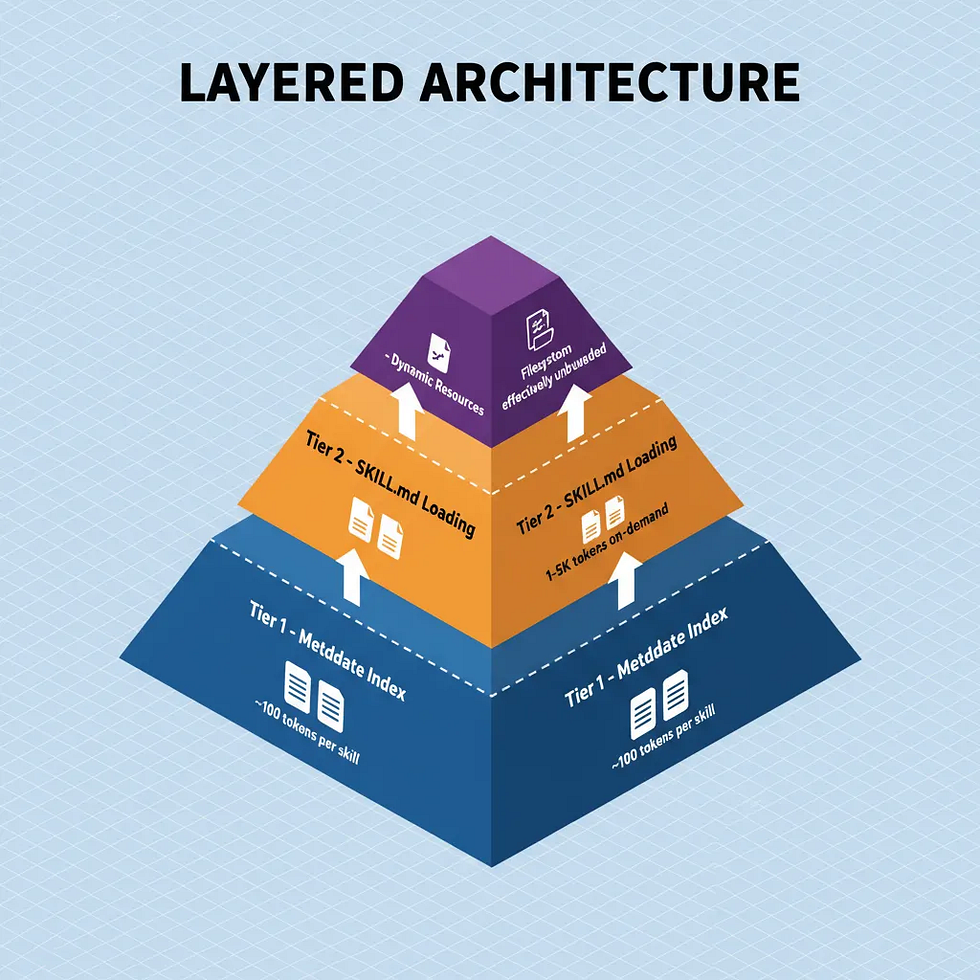
Skills don't exist in isolation. They're part of a rich ecosystem:
CLAUDE.md
Project-level configuration that persists across sessions. Use CLAUDE.md for:
- Project conventions and architecture notes
- Build commands and development workflows
- Team preferences and coding standards
Hooks
Deterministic actions that execute at specific points. Combine with skills for:
- Validation before commits
- Logging and audit trails
- Enforcement of standards
MCP Servers
External integrations that extend Claude's capabilities. Skills can orchestrate MCP tools for:
- Database operations
- Third-party API access
- Specialized computations
When to Create a Skill
Not every task needs a skill. Consider the alternatives:
| Scenario | Best Approach |
|---|---|
| One-time task | Direct prompt |
| Project-wide conventions | CLAUDE.md |
| Deterministic validation | Hooks |
| Reusable domain expertise | Skill |
| Complex multi-step workflow | Skill + Sub-agents |
Create a Skill When:
- You'll use the same expertise across multiple projects
- The task requires specialized knowledge Claude doesn't have
- You want to share capabilities with others
- The workflow is complex enough to benefit from structure
Continue Your Journey
With these mental models in place, you're ready to build effective skills:
- Part 1: Foundations — SKILL.md structure and PDA
- Part 2: Advanced Patterns — Tools, sub-agents, hooks
- Browse Skills — Learn from real examples
Explore the Ecosystem
See how others have applied these concepts. Browse community skills for inspiration.